La Cornue Weak or Yellow Flame
La Cornue Weak or Yellow Flame is a common question among La Cornue owners. This guide walks through it step by step with technician-grade detail.
A healthy La Cornue gas flame is steady and blue. A yellow, orange, or weak flame indicates a combustion problem — usually an air-fuel mix or fuel-delivery issue. This guide explains the causes and fixes. A yellow flame produces soot and is less efficient, so address it promptly.
Why flame color matters
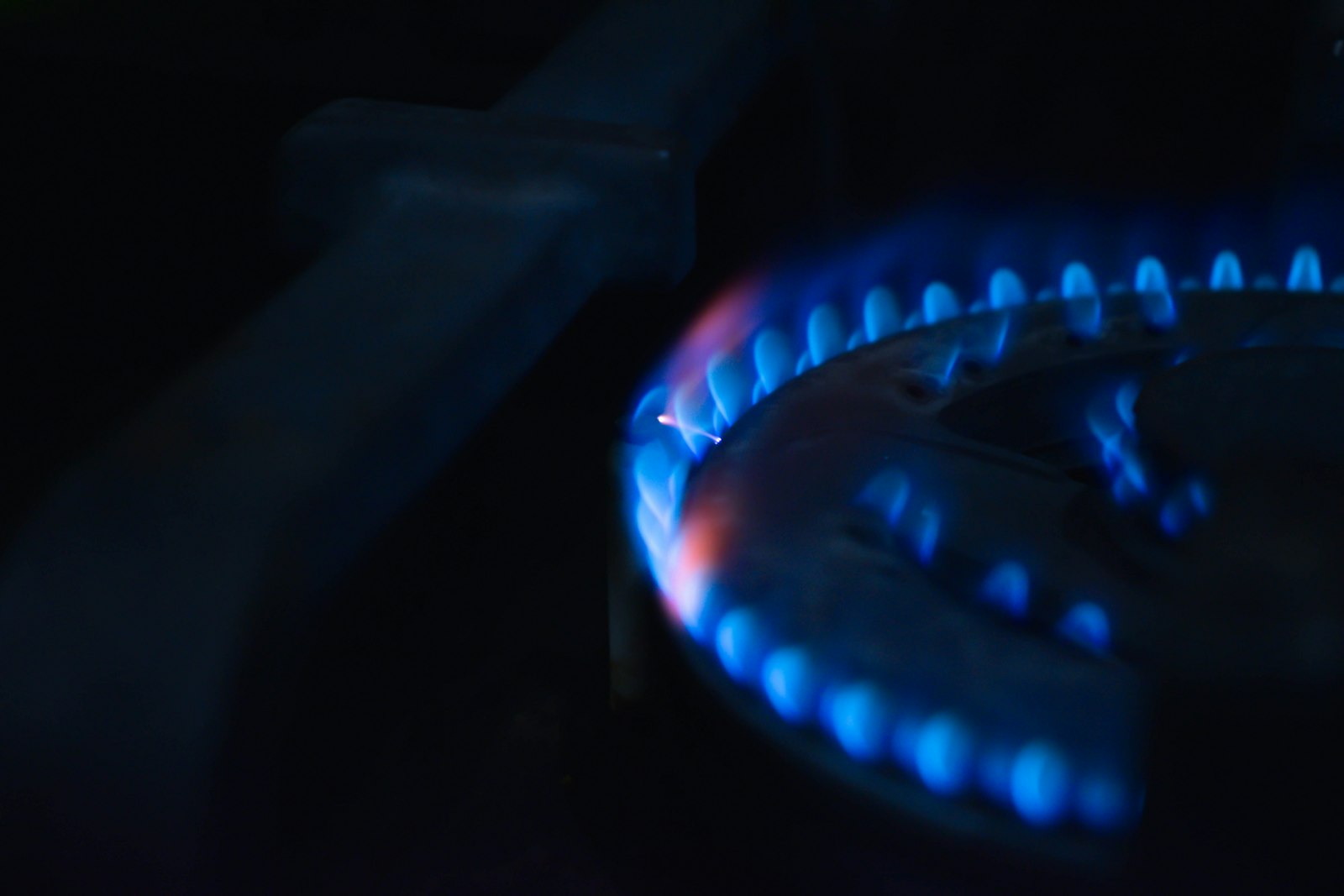
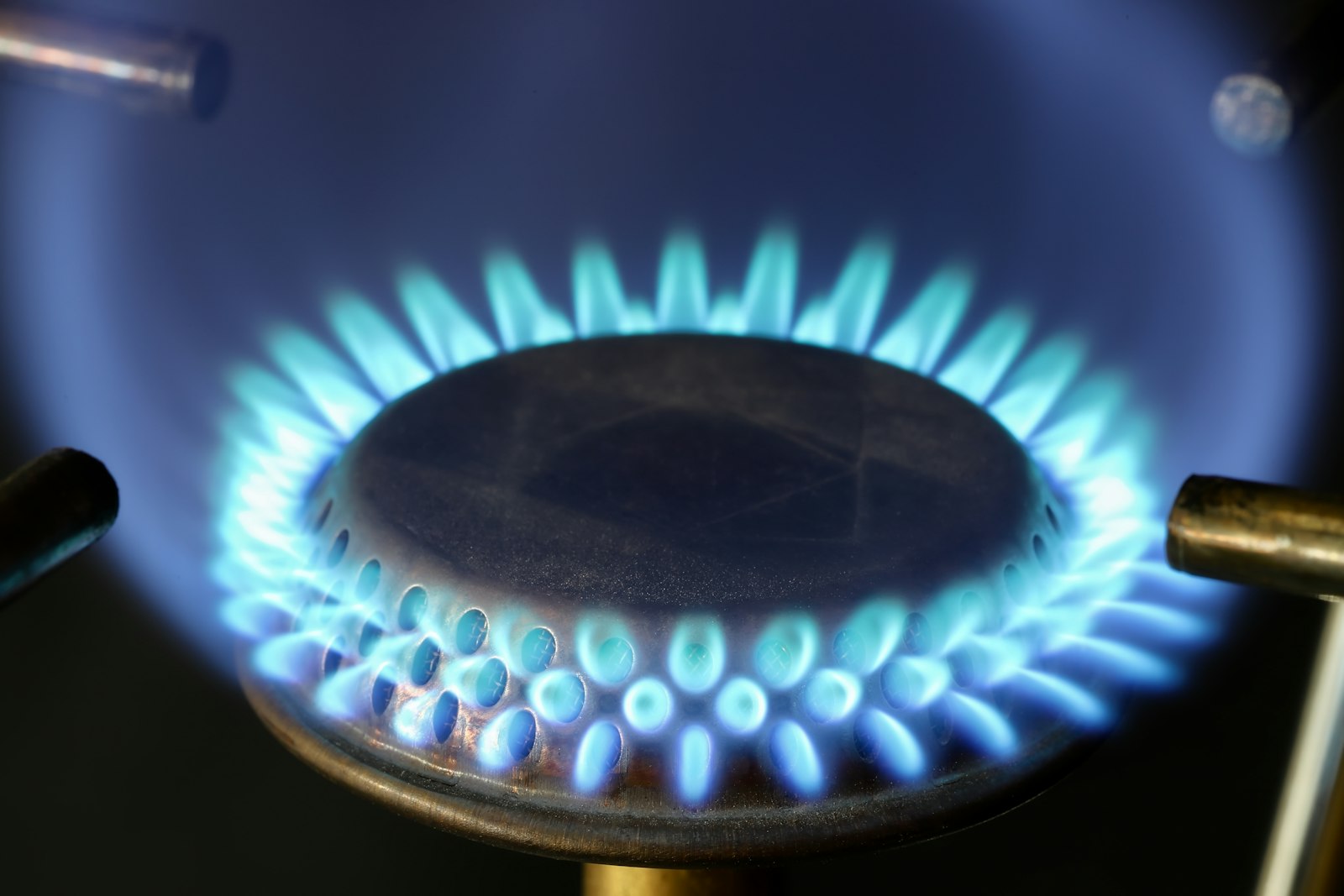
Blue means complete combustion. Yellow or orange means incomplete combustion from too little air relative to gas — this wastes fuel, deposits soot on cookware, and can produce carbon monoxide. A weak or lifting flame can mean the opposite (too much air or low gas pressure).
Common causes of a yellow flame
- Air shutter out of adjustment: The air shutter controls how much air mixes with the gas. If it is closed too far, the flame burns yellow.
- Wrong gas/orifice combination: Running an NG-configured burner on propane (or vice versa) produces a poor flame. See our NG to LP conversion guide.
- Clogged or partially blocked orifice: Debris restricts gas flow and disturbs the mix.
- Dirty burner ports: Soil disrupts the flame pattern.
Causes of a weak or flickering flame
- Clogged burner ports or orifice restricting gas flow.
- Low gas supply pressure or a partially closed supply valve.
- Air shutter open too far, lifting the flame off the burner.
What you can do safely
- Turn off and cool the burner.
- Remove the cap and clean the ports and igniter port with a paper clip.
- Clear the orifice gently if accessible; do not enlarge it.
- Reseat the cap flat and retest.
Leave shutter and orifice work to a pro
Adjusting air shutters, swapping orifices, and verifying gas pressure are gas-safety tasks. Improper adjustment is unsafe and can damage the range. If cleaning doesn’t restore a blue flame, or if you suspect a conversion mismatch, this needs a technician.
When to call
A persistent yellow flame, soot, or any gas odor warrants professional service — see our gas smell safety guide. Schedule a technician to adjust the air-fuel mix correctly. Reference specs are on lacornueusa.com.
Why yellow flames are more than a nuisance
A yellow or orange flame is not just inefficient — it is a combustion warning. Incomplete combustion deposits soot on cookware, wastes fuel, and can produce carbon monoxide, which is why a persistent yellow flame deserves prompt attention rather than tolerance. A healthy La Cornue brass burner should show a crisp, steady blue cone. If cleaning the ports and orifice does not restore blue, the air-fuel mixture itself needs adjustment, which is a gas-safety task.
The conversion connection
One frequently overlooked cause is a fuel mismatch. A burner set up for natural gas but fed propane (or the reverse) cannot burn cleanly, producing yellow, oversized, or weak flames depending on the direction of the mismatch. If the flame problem appeared after a move or a gas-supply change, suspect an incomplete or incorrect conversion and review our NG to LP conversion guide before anything else.
Frequently asked
- Can I adjust the air shutter myself? No — shutter, orifice, and pressure work are gas-safety tasks for a technician.
- Weak flame but blue — same cause? Often a clogged orifice or low supply pressure rather than air mix; have it checked.
What you can safely do, and where to stop
You can address the cleaning side yourself: turn off and cool the burner, remove the cap, clean the ports and igniter port with a paper clip, gently clear the orifice if accessible (never enlarge it), reseat the cap flat, and retest. Where you must stop is air-shutter adjustment, orifice swapping, and gas-pressure verification — these are gas-safety tasks that, done wrong, are dangerous and can damage the range. If cleaning does not restore a crisp blue flame, or you suspect a fuel-conversion mismatch, hand it to a certified technician.