La Cornue Clicking Igniter That Won’t Light
La Cornue Clicking Igniter That Won’t Light is a common question among La Cornue owners. This guide walks through it step by step with technician-grade detail.
A clicking igniter that never produces a flame — or that keeps clicking even after the burner lights — is a common and usually minor La Cornue issue. This guide covers the likely causes and how to resolve them.
Continuous clicking with no flame
If you hear clicking but the burner won’t light, the spark is firing but gas isn’t igniting (or the spark is misdirected). Common causes:
- Moisture: Water under the cap after cleaning or a boil-over shorts the spark. Dry the burner thoroughly.
- Clogged ports: Debris blocks the gas or the spark gap. Clean the burner ports and the igniter port.
- Misaligned cap: A cap sitting crooked moves the spark away from the gas. Reseat it flat.
Clicking that continues after lighting
If a burner lights but the igniter keeps clicking, moisture or food residue is usually bridging the electrode. Clean and dry the burner assembly and electrode. Persistent clicking on one burner can also indicate a cracked electrode.
Clicking on multiple burners at once
If several burners click together (even ones you did not turn on), the spark module or a stuck switch is likely responsible rather than the individual electrodes. The shared ignition module sends spark to all electrodes; a problem or moisture in one switch can trigger all of them.
Inspect the electrode
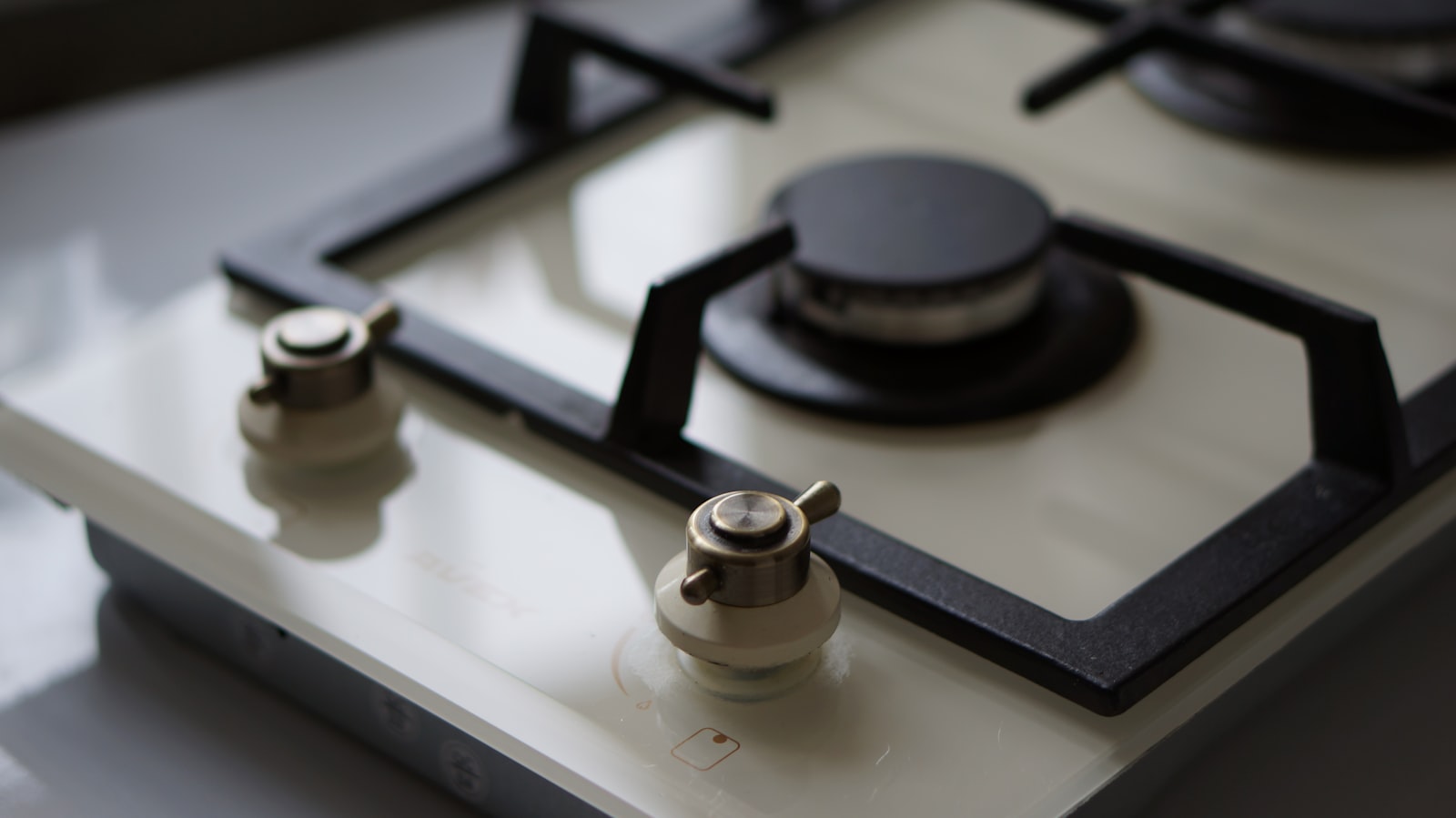
Look at the ceramic igniter electrode beside the burner. It should be intact and dry. A cracked ceramic body or a chipped tip won’t spark reliably and should be replaced.
Step-by-step fix
- Turn off the burners and let everything cool.
- Remove and clean the burner caps and bases; clear ports with a paper clip.
- Dry the entire burner area thoroughly.
- Reseat caps flat and try igniting.
- If clicking persists, suspect a cracked electrode or the spark module.
When to call a professional
Electrode and spark-module replacement, especially on induction-equipped or multi-module rangetops, is best handled by a technician. If basic cleaning doesn’t resolve it, schedule a service appointment. See also our range won’t light checklist, and manufacturer info at lacornueusa.com.
Reading the clicking pattern
The pattern of the clicking points to the cause. Clicking on a single burner that won’t light is usually local — moisture, a clogged port, a misaligned cap, or a cracked electrode on that burner. Clicking that continues after a burner lights almost always means moisture or residue bridging the electrode. And clicking across several burners at once, including ones you did not turn on, points away from the individual electrodes and toward the shared spark module or a stuck switch. Identifying which pattern you have saves time and prevents replacing the wrong part.
Inspecting the ceramic electrode
The small ceramic igniter beside each burner should be intact, clean, and dry. A cracked ceramic body or a chipped tip won’t spark reliably and is a common single-burner culprit. Clean it gently of grease and food, dry it, and look closely for hairline cracks. A damaged electrode is replaceable, but on multi-module rangetops the swap — and any spark-module work — is best left to a technician.
Frequently asked
- Why does it click in damp weather? Ambient moisture or a recent wet clean can bridge the electrode until it dries out.
- Multiple burners clicking — dangerous? Turn the knobs off; if clicking persists, it is the module or a switch — have it serviced.
The fix, step by step
For the common single-burner cases, the sequence is straightforward: turn off the burners and let everything cool; remove and clean the burner caps and bases, clearing ports with a paper clip; dry the entire burner area thoroughly, since moisture is the most frequent cause; reseat the caps flat and try igniting. If clicking still persists, suspect a cracked ceramic electrode or, when several burners click together, the shared spark module. Electrode and spark-module replacement — especially on induction-equipped or multi-module rangetops — is best handled by a technician.