La Cornue Catalytic Panel Maintenance
La Cornue Catalytic Panel Maintenance is a common question among La Cornue owners. This guide walks through it step by step with technician-grade detail.
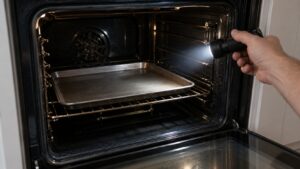
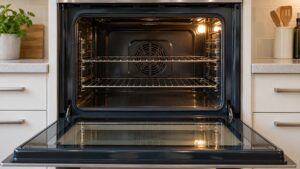
Many La Cornue ovens use catalytic liner panels that oxidize grease at cooking temperatures, helping keep the interior clean without a harsh self-clean cycle. These panels need correct handling and eventually wear out. This guide explains their care.
How catalytic panels work
Catalytic panels have a special porous coating that absorbs grease splatter and breaks it down when the oven reaches high temperatures. This continuous, gentle self-cleaning action means you should never scrub or chemically clean the panels — doing so destroys the coating.
Refreshing the panels
- If grease has built up faster than it is being burned off, run the empty oven at a high temperature for a period to activate the catalytic action.
- Ventilate the kitchen and run the hood during this burn-off.
- Let the oven cool, then wipe only the non-catalytic surfaces (floor, door) — leave the catalytic panels alone.
What not to do
- Do not use commercial oven cleaners, degreasers, or abrasive pads on catalytic panels.
- Do not scrub them — abrasion ruins the catalytic surface.
- Do not let large spills carbonize repeatedly; clean spills off the oven floor (not the panels) promptly.
When panels degrade
Over many years of use the catalytic coating loses effectiveness — the oven no longer stays as clean and grease lingers. At that point the panels can be replaced to restore the self-cleaning function. Degraded panels are a maintenance item, not a reason to replace the oven or range.
Pairing with overall oven care
Catalytic panels work best alongside good interior habits — see our vaulted-oven interior care guide — and a healthy door gasket so the oven reaches the temperatures needed for the catalytic action (see our door gasket care guide).
Reference and service
Confirm the correct replacement panels for your model on lacornueusa.com or via our service line. To replace degraded catalytic panels, schedule a technician.
The cardinal rule: never scrub them
The single most important thing to know about catalytic panels is what not to do. Their porous coating breaks grease down chemically at high temperature, and that coating is destroyed by abrasive pads, scouring, and commercial oven cleaners or degreasers. Treating a catalytic panel like a dirty oven wall — scrubbing it clean — permanently disables its self-cleaning function. Clean the floor and door normally; leave the panels alone and let heat do their work.
When buildup outpaces burn-off
If grease accumulates faster than the panels can oxidize it — common after a run of heavy, splattery roasting — run the empty oven at a high temperature for a period to reactivate the catalytic action, ventilating and running the hood throughout. This refresh is normal maintenance. Over many years, though, the coating loses effectiveness and the oven simply stays less clean; at that point the panels are replaced, which is a maintenance item, not a reason to replace the oven.
Frequently asked
- How do I know they’re worn out? Grease lingers and the oven no longer stays clean despite normal use and burn-offs.
- Do all La Cornue ovens have them? Many do; confirm the correct replacement panels for your model with our service line.
Pairing panels with good oven habits
Catalytic panels work best alongside sensible interior care and a healthy door gasket. Clean spills off the oven floor and door promptly (never the panels) so the cavity reaches the temperatures the catalytic action needs, and keep the gasket intact so heat is not lost — see our door gasket care guide. When buildup outpaces burn-off after heavy roasting, run the empty oven hot for a period to reactivate the panels, ventilating throughout. Treat degraded panels as a maintenance item to replace, not a reason to replace the oven; for the broader routine, see our vaulted-oven interior care guide.