La Cornue Oven Door Gasket Care
La Cornue Oven Door Gasket Care is a common question among La Cornue owners. This guide walks through it step by step with technician-grade detail.
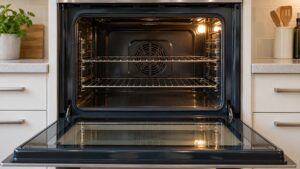
The oven door gasket seals the cavity so heat stays inside. On a La Cornue — especially the sealed vaulted oven — a healthy gasket is essential for even cooking and efficiency. A worn gasket leaks heat, lengthens preheat, and causes uneven results. This guide covers gasket care.
Why the gasket matters
The gasket compresses when the door closes, creating a tight seal. When it hardens, cracks, flattens, or detaches, hot air escapes around the door. Symptoms include long preheats, the oven struggling to reach temperature, uneven baking, and a warm oven exterior or surrounding cabinetry.
Cleaning the gasket
- Wait for the oven to cool.
- Wipe the gasket gently with a soft, damp cloth to remove grease and food residue.
- Avoid abrasive pads and harsh chemicals that degrade the gasket material.
- Let it dry fully before using the oven.
Inspecting for wear
- Run your fingers along the gasket — it should feel resilient and intact, not brittle or flattened.
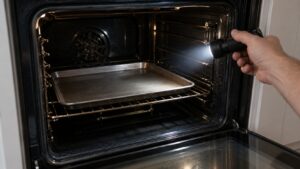
- Look for cracks, tears, gaps, or sections that have pulled out of their channel.
- Check the seal by closing the door on a slip of paper at several points; if it pulls out with no resistance, the seal is weak there.
Signs you need replacement
If the gasket is cracked, flattened, or no longer sealing — and cleaning does not help — replacement restores efficiency and even cooking. Heat loss from a bad gasket is a common cause of the symptoms in our oven temperature drift guide and contributes to uneven baking.
Replacement
Gaskets are model-specific and seat in a channel around the door or cavity opening. Correct fit matters — a mismatched or poorly seated gasket won’t seal. Confirm the right part on lacornueusa.com or with our service line.
Reference and service
For broader interior upkeep, see our vaulted-oven interior care guide. To replace a worn gasket correctly, schedule a technician.
A simple test you can run today
You do not need tools to gauge a gasket’s health. Close the oven door on a slip of paper and try to pull it out; repeat at several points around the door. Where the paper slides out with no resistance, the seal is weak there. Combine that with a finger check along the gasket — it should feel resilient and intact, not brittle, flattened, or pulled out of its channel. A pattern of weak spots on one side often explains uneven baking on that side.
Why correct fit matters at replacement
Gaskets are model-specific and seat in a precise channel around the door or cavity opening. A mismatched or poorly seated gasket will not compress correctly and won’t seal — so this is one job where the right genuine part and proper installation matter more than they might seem. On the sealed vaulted oven especially, the gasket is what lets the voûte hold its even radiant heat; a leak undermines the whole design. Confirm the correct part through our parts sourcing guide.
Frequently asked
- Can I just clean it instead of replacing? If it is merely dirty, yes — but a hardened, cracked, or flattened gasket needs replacement.
- Could the problem be hinges, not the gasket? Possibly — worn hinges stop the door pulling square; see our door won’t seal guide.
Cleaning and inspecting the gasket
Keep the gasket healthy with simple care: on a cooled oven, wipe it gently with a soft, damp cloth to remove grease and food residue, avoiding abrasive pads and harsh chemicals that degrade the material, and let it dry fully before use. While you are there, run your fingers along it — it should feel resilient and intact, not brittle or flattened — and look for cracks, tears, or sections pulled from the channel. A worn gasket is a leading cause of the long preheats and uneven results in our temperature drift guide.