La Cornue Stoves
La Cornue Stoves combine hand-built French craftsmanship with serviceable, repair-friendly engineering. This page covers the lineup, the technologies behind them, and the problems our certified technicians resolve.
The La Cornue stove lineup
La Cornue has hand-built cooking stoves in France since 1908, and every stove is made to order in Saint-Ouen-l’Aumône by a small team of artisans the company calls Compagnons. The flagship Château family spans the Château 60, 75, 90, 120, 150, and 165, sized from 60 cm up to 165 cm wide, plus the grand 180 cm Grand Palais. Each Château is defined by the vaulted “voûte” oven — a sealed radiant dome that cooks gently and evenly without a fan. Alongside the Château sits the freestanding, factory-built CornuFé 90 “Albertine” and CornuFé 110, pro-style stoves that bring La Cornue craftsmanship to a more accessible footprint. You can explore the full current range on the official La Cornue site, and browse the configurations we service on our model directory.
Vaulted ovens, dual-fuel, and brass burners
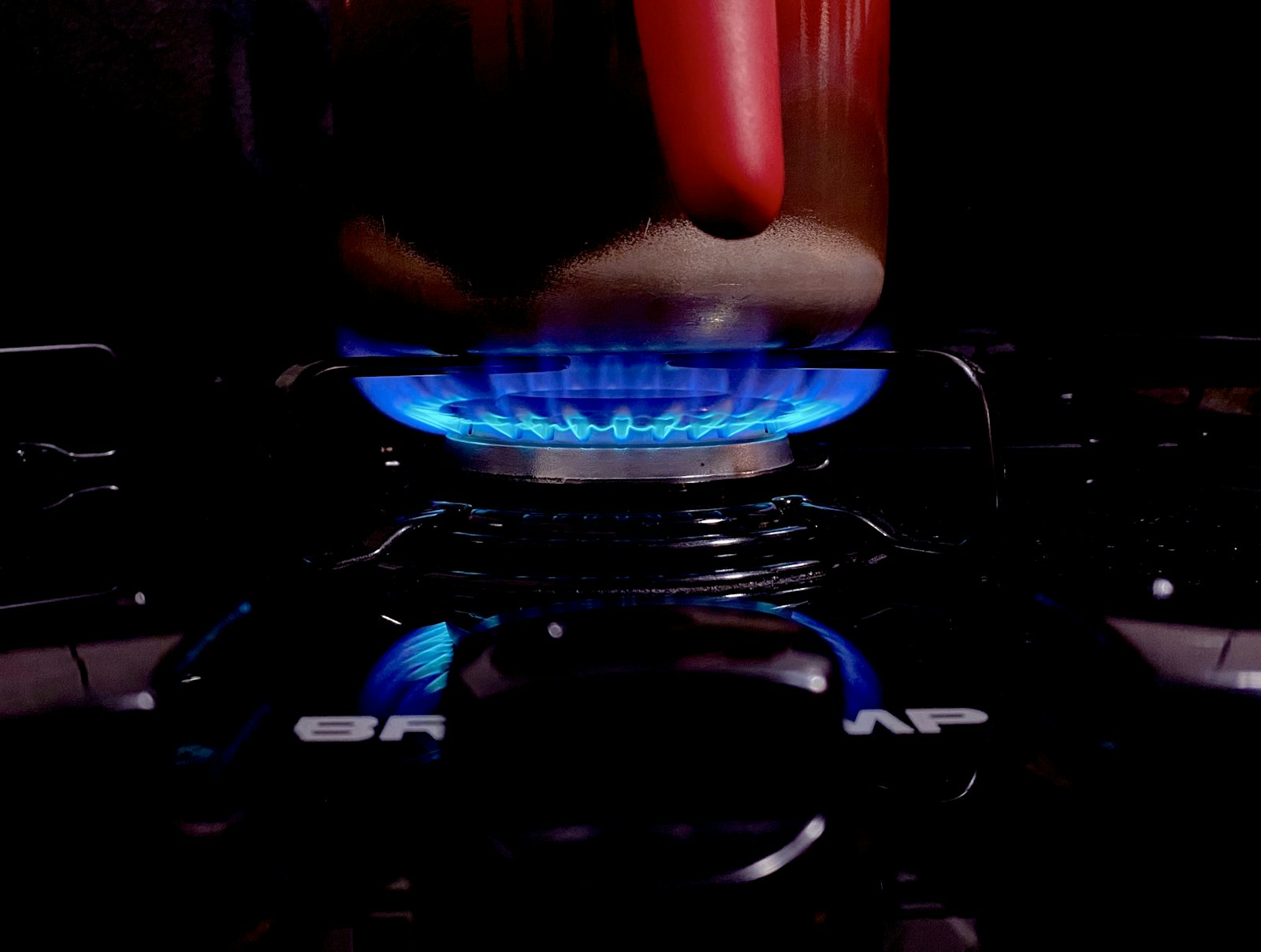
The signature La Cornue technology is the voûte vaulted oven, whose domed ceiling reflects radiant heat back onto the food for roasting and baking that many owners consider unmatched. Larger Château stoves such as the 120, 150, and 165 are dual-fuel, combining a gas vaulted oven with a separate electric vaulted oven so you can run both circuits at once. Up top, the rangetop carries brass “flammes” burners — front burners reaching roughly 17,000 BTU on natural gas — and can be configured with a cast-iron French Top (plaque coup de feu), induction zones, a lava-rock grill, an electric teppanyaki plate, or the Flamberge gas rotisserie module.
Finishes and made-to-order craftsmanship
A La Cornue stove is as much furniture as appliance. Buyers choose from roughly 50 vitreous enamel colors — including the curated Suzanne Kasler Couleur Collection and the Étoilé Collection — and pair them with trim metals such as polished or brushed brass, nickel, chrome, or copper. Because each stove is hand-built to a customer’s specification, parts, fuel type, and finish vary widely from one unit to the next, which is why service work benefits from technicians familiar with the brand’s construction. Many stoves are decades old and still in daily use, a testament to the construction but also a reason genuine, model-matched parts matter when something does wear out.
How a La Cornue stove is built
Every stove begins as a steel chassis hand-finished by the Compagnons, with the enamel fired and the brass burners fitted by hand before the unit is assembled to the customer’s exact configuration. Each carries a US SKU — the Château line uses prefixes such as G45 and G48, while the CornuFé range uses C9 and C1 series codes — that identifies its size, fuel, oven layout, and rangetop modules. Knowing that code is the first step in any repair, because it tells a technician precisely which igniter, valve, thermostat, or element the stove was built with rather than relying on a generic substitute.
Common La Cornue stove problems
The issues we see most often on La Cornue stoves:
- Burner won’t ignite — usually clogged burner ports or a wet, dirty, or cracked igniter electrode.
- Continuous clicking igniter — moisture after cleaning is a frequent culprit; the spark module keeps firing.
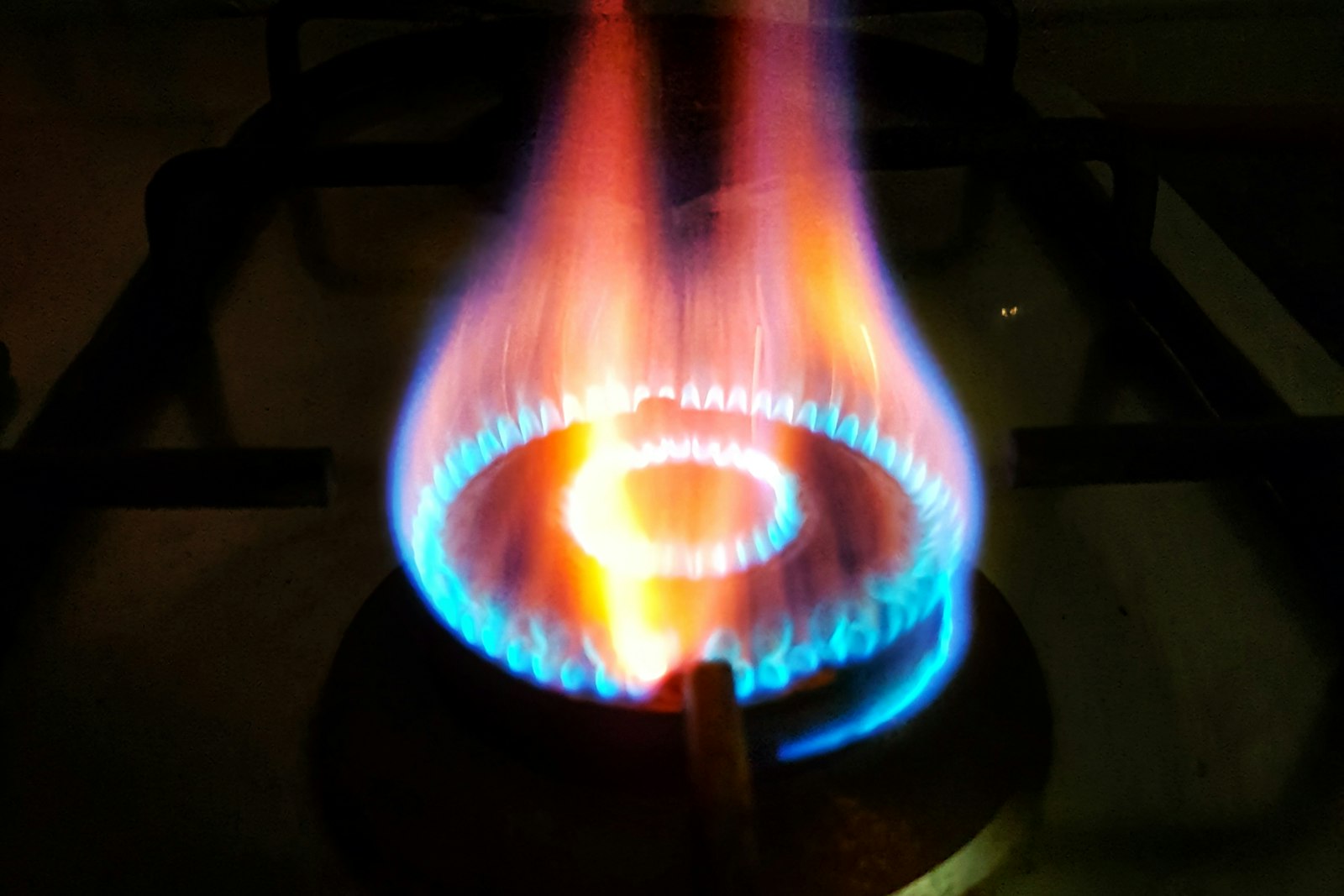
- Weak, flickering, or yellow flame — points to air-mix/combustion problems or a clogged orifice, sometimes after an LP/NG conversion.
- Gas smell — a valve or connection leak; shut off the gas and call for service immediately.
- Stiff burner knob or valve — dried grease or a worn valve stem.
- Oven not heating — a weak glow-bar igniter or a tripped high-limit thermostat (part ref 06ELTS01).
- Enamel chipping and brass tarnish — cosmetic but common on heavily used finishes.
Electronic and induction-equipped models may also display error codes such as E2 or U400; see our error code directory for diagnostics.
Maintenance essentials
A well-maintained La Cornue stove can last for decades:
- Season a cast-iron French Top regularly and keep it dry to prevent rust.
- Clean and polish brass trim and burner caps to slow tarnish.
- Wipe vitreous enamel with a soft cloth and avoid abrasive cleaners.
- Clear burner ports with a pin after spills to keep flames even.
- Inspect the oven door gasket annually for heat loss.
Professional La Cornue stove service
Because these stoves combine gas, electric, and specialty modules, repairs are best handled by certified technicians familiar with French dual-fuel construction. We carry common igniters, thermostats, gas valves, and control parts, and service is backed by La Cornue’s 5-year parts and labor warranty where applicable. Repairs start from $X depending on the part and configuration. Schedule La Cornue stove repair or book an appointment online.